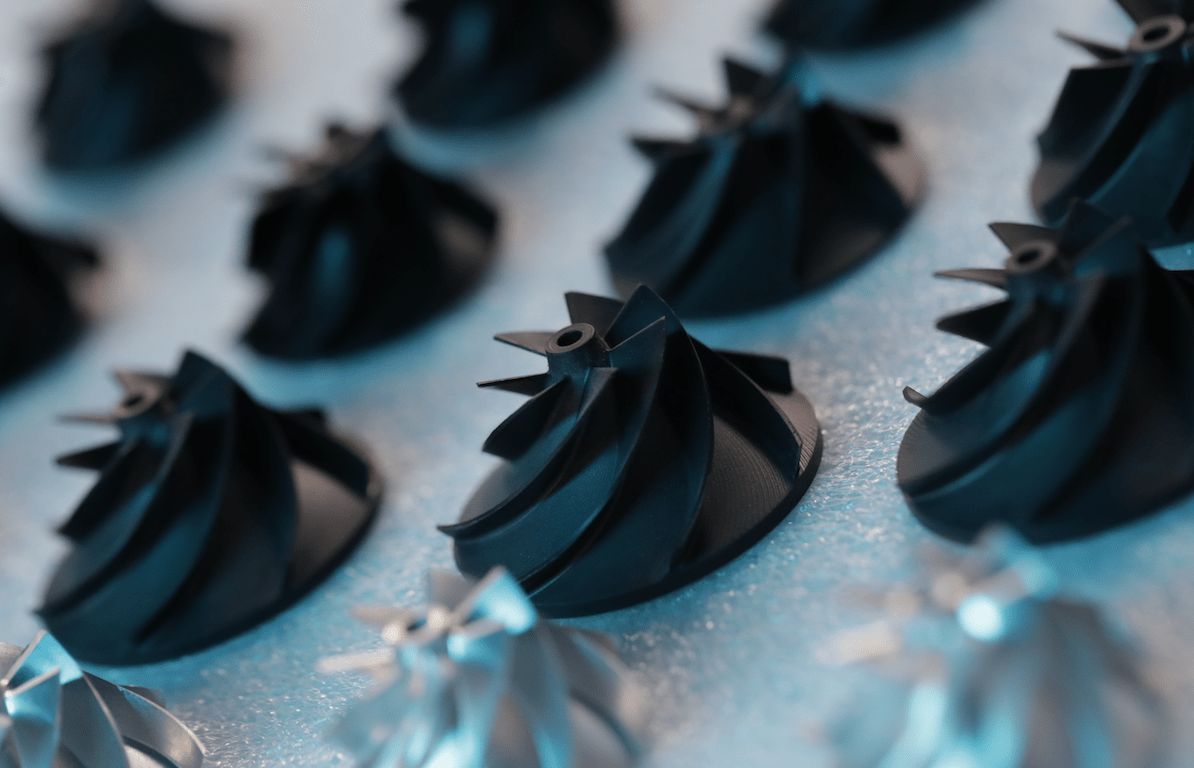
What is Anodized Aluminum?
Anodized aluminum is produced by an electrochemical process that creates a dense oxide layer on the surface of standard aluminum. This layer greatly improves corrosion resistance, wear resistance, and aesthetic appeal, while maintaining aluminum’s lightweight nature.
Process Overview
The typical anodizing sequence includes cleaning, pre‑treatment (etching or brightening), anodizing (in an acid bath with electric current), and sealing. Common types are Type II (general purpose) and Type III (hard anodizing).
Key Benefits
Excellent corrosion and scratch resistance, ideal for harsh conditions
High surface hardness for long‑term durability
Available in a variety of colors, combining function with beauty
Environmentally friendly – no heavy metals or toxic chemicals
Considerations
Damaged anodized layers are difficult to repair; re‑anodizing is usually required
Slightly higher initial cost compared to untreated aluminum
Minor color variations may occur between production batches
Common Applications
Automotive (lightweight components), aerospace (structural parts), electronics (housings and heat sinks), and architecture (windows, doors, curtain walls) all benefit from its strength, weather resistance, and visual appeal.
CNC Machining Tips
Machining anodized aluminum requires careful handling to protect the hard but thin oxide layer. SanShun Tech uses specialized tooling (e.g., diamond‑coated), optimized cutting speeds, effective cooling, and high‑precision CNC machines to achieve tight tolerances without damaging the coating.
Why Choose SanShun Tech
With extensive experience in machining anodized aluminum and state‑of‑the‑art equipment, we offer custom solutions from prototyping to high‑volume production – balancing technical performance with a flawless finish. Whether you need small precision parts or large industrial components, we are ready to support your project.